AI, GPU clouds, and neoclouds in the age of inference—what you need to know
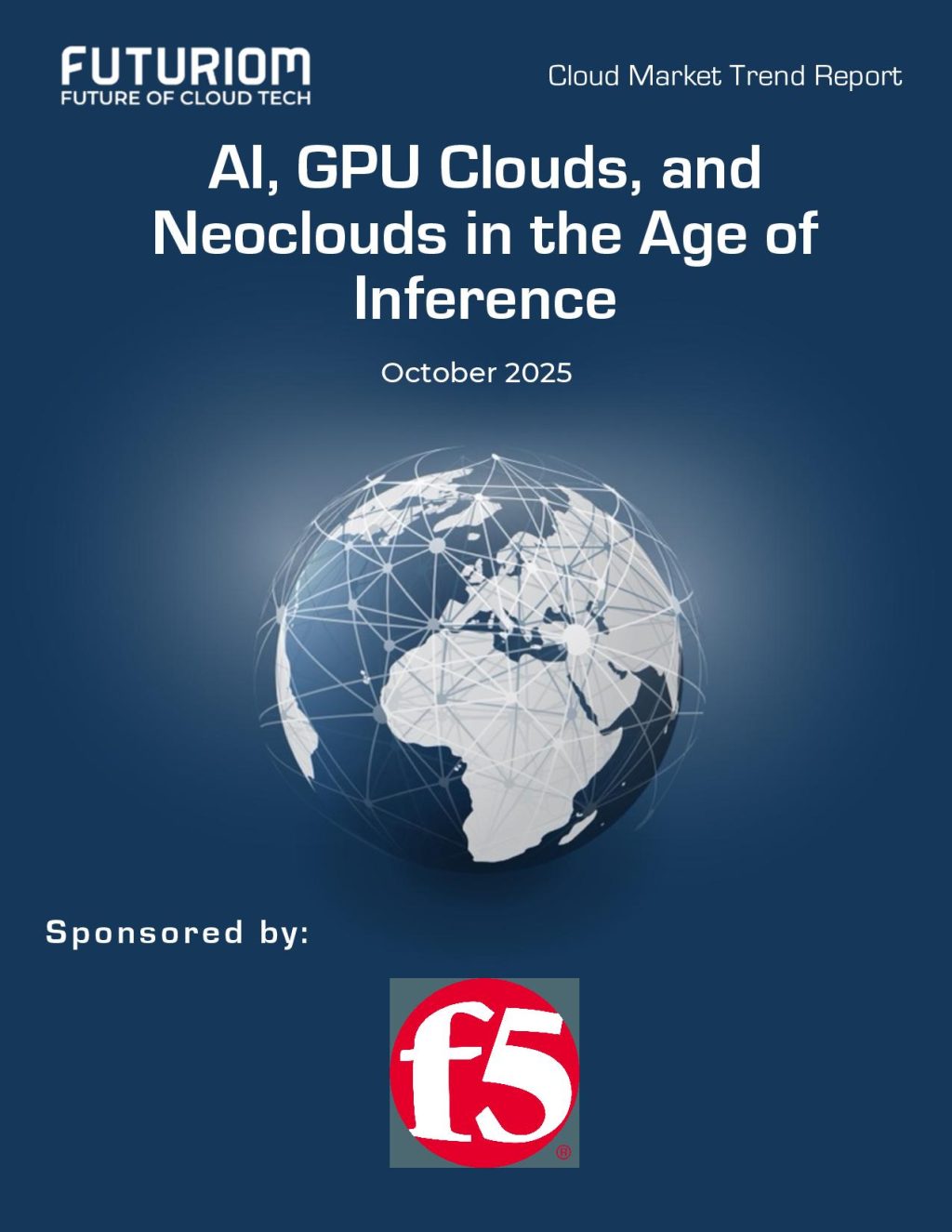
AI is no longer just about training massive models—it’s about deploying them efficiently at scale. As inference and data training workloads surge, enterprises are rethinking infrastructure strategies. The Futuriom report “AI, GPU Clouds and Neoclouds in the Age of Inference” dives deep into this transformation, exploring how GPU clouds and emerging neocloud providers are reshaping the market.
Why AI inference is driving a cloud revolution
AI inference—the process of running trained models to deliver predictions—is becoming the dominant workload. Inference demands low latency, high throughput, and cost efficiency. This shift is fueling demand for GPU-as-a-service and specialized cloud architectures optimized for AI.
What are neoclouds and why are they important?
Neoclouds are next-generation cloud providers focused on GPU-centric infrastructure for AI workloads. Unlike hyperscalers, they offer flexible pricing, rapid provisioning, and tailored performance for enterprises deploying large-scale inference. Players like CoreWeave and Crusoe are gaining traction by addressing gaps in hyperscaler offerings.
Hyperscalers vs neoclouds: The competitive landscape
Hyperscalers (AWS, Azure, Google Cloud) dominate cloud computing, but neoclouds are carving out a niche by offering specialized GPU clusters, lower costs, and faster deployment cycles. Enterprises now face a strategic choice: stick with hyperscalers for integrated services or expand their technology estate to include neoclouds for GPU-focused performance and agility.
Infrastructure challenges and opportunities
Building AI-ready infrastructure isn’t easy. Power and real estate constraints for massive datacenters, security and compliance concerns, and the need for scalable GPU resources are top challenges. Providers that solve these issues will lead the next wave of cloud innovation.
Want the full picture? Download the Futuriom report for detailed insights on market trends, competitive strategies, and infrastructure innovations shaping the future of AI.